
Homeowners Insurance vs. Flood Insurance: Understanding the Difference
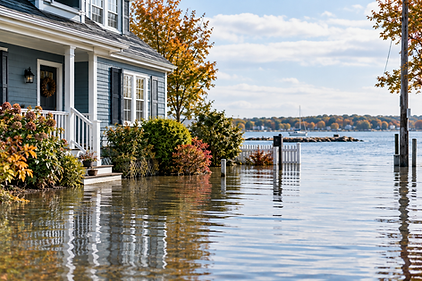
When you purchase homeowners insurance, it is natural to assume that your home is protected against most types of damage. However, one important exclusion can catch homeowners by surprise: flooding.
Standard homeowners insurance policies generally do not cover damage caused by flooding. Instead, flood damage typically requires a separate flood insurance policy.
Understanding the difference between these two types of coverage can help you make more informed decisions about protecting your home and belongings.
What Does Homeowners Insurance Typically Cover?
Homeowners insurance is designed to protect your home and personal property against certain covered losses. Depending on your policy, this can include damage caused by events such as fire, lightning, windstorms, and certain types of accidental water damage.
For example, if a covered windstorm damages your roof and rain enters through the damaged area, your homeowners policy may help pay for the resulting damage. Likewise, if a pipe suddenly bursts inside your home and causes water damage, your policy may provide coverage depending on the circumstances and applicable exclusions.
However, homeowners insurance does not cover every possible cause of damage. Flooding, gradual deterioration, and maintenance related problems are common examples of situations that may not be covered. The exact coverage depends on your policy, so it is important to understand both what is included and what is excluded.
What Is Considered Flooding?
Flood insurance generally addresses damage caused by flooding, which is different from many other types of water damage.
Under the National Flood Insurance Program's definition, a flood generally involves a temporary condition of partial or complete inundation of normally dry land affecting two or more acres or two or more properties, with certain specified causes.
Examples can include:
Heavy rainfall that causes a nearby river or stream to overflow.
Storm surge or coastal flooding.
Rapid accumulation of water after prolonged or intense rainfall.
Floodwaters that enter a basement or first floor.
Certain mudflows associated with flooding.
The distinction matters because water entering a home is not automatically considered a flood under insurance definitions. The source of the water and the circumstances surrounding the loss help determine which policy, if any, may apply.
Why Flood Insurance Matters in Maine
Many people associate flood insurance with oceanfront properties or homes located directly beside rivers. However, flooding can affect properties in a variety of locations.
Heavy rainfall, changing drainage patterns, overflowing streams, and coastal storms can all contribute to flooding. Even a home that has never flooded before may be exposed to changing conditions. Maine homeowners should also consider how their property's location, elevation, nearby waterways, and drainage affect their potential exposure.
A property does not have to be located in a high risk flood zone for flooding to be possible. At the same time, not every property faces the same level of risk. Reviewing your property's flood exposure can help you determine whether separate coverage is worth considering.
What Does Flood Insurance Cover?
Flood insurance can provide protection for eligible building property and personal belongings, depending on the policy.
A building policy may cover certain parts of the structure, including the foundation, electrical and plumbing systems, heating equipment, and other eligible building components.
Personal property coverage may help pay for eligible belongings damaged by a covered flood. However, coverage for personal property is subject to policy limits, conditions, and exclusions. Some items and areas of a home, including certain property in basements, may have restricted coverage.
Flood insurance also does not cover every expense associated with a flood. For example, while the government-backed National Flood Insurance Program (NFIP) strictly excludes additional living expenses and temporary housing, many Private Flood insurers include loss of use coverage automatically or as an add-on option.
Due to limits and eligibility rules varying by policy and program, it is important to understand exactly what is included before purchasing coverage.
Is Flood Insurance Required?
Flood insurance requirements depend on several factors, including the property's location, the mortgage lender, and the type of loan.
For certain properties located in designated high risk flood areas, lenders may require flood insurance when the property secures a mortgage from a federally regulated or insured lender.
Even when flood insurance is not required, homeowners may still choose to purchase coverage based on their property's exposure and their ability to absorb the cost of a flood related loss. It is also important to remember that flood insurance may have a waiting period before coverage begins. Waiting until a storm is approaching may be too late to obtain protection for that event.
If you are considering flood insurance, it is best to explore your options well before you need them.
How Much Flood Insurance Do You Need?
The appropriate amount of flood insurance depends on your home, your belongings, the available coverage options, and your financial situation.
When reviewing coverage, consider the cost of rebuilding your home, the value of your personal belongings, and whether your current homeowners policy excludes the type of water damage you are concerned about.
It is also worth checking whether your property has an existing flood policy and whether that coverage still meets your needs.
Flood insurance limits, deductibles, and covered property can vary, so comparing the details of available policies is more useful than looking at the premium alone.
The Importance of Reviewing Both Policies
Homeowners insurance and flood insurance serve different purposes. One does not replace the other, and having homeowners insurance does not automatically mean flood damage is covered.
Reviewing both policies can help you understand where your protection begins and ends. It can also give you a clearer picture of the financial risks you may face if your home experiences water damage.
At Tapley Insurance, we believe insurance should help you make informed decisions, not leave you guessing about what is covered. If you have questions about flood insurance or want to better understand your property's coverage, we are happy to help you explore your options.
(207) 363-7894 | www.tapleyagency.com | 300 York St . PO Box 808 . York, Maine 03909


